Is there much of a difference? We find out!
While we often talk a lot about the importance of a quality DJ controller or other pieces of DJ equipment, there is a lot more that goes into being a DJ than just having a good controller or CDJ and a laptop.
One of the more unsung areas that many DJs take for granted is a quality microphone.
AKG Ara Vs Lyra USB Microphones: Overview
In this quick overview, we’ll be taking a look at something of a combo set of microphones.
These two USB-based microphones are excellent for recording DJ podcasts, doing radio shows, recording vocalists, or even doing a Livestream performance.
These two are AKG‘s Ara and Lyra.
First Impressions: Build Quality
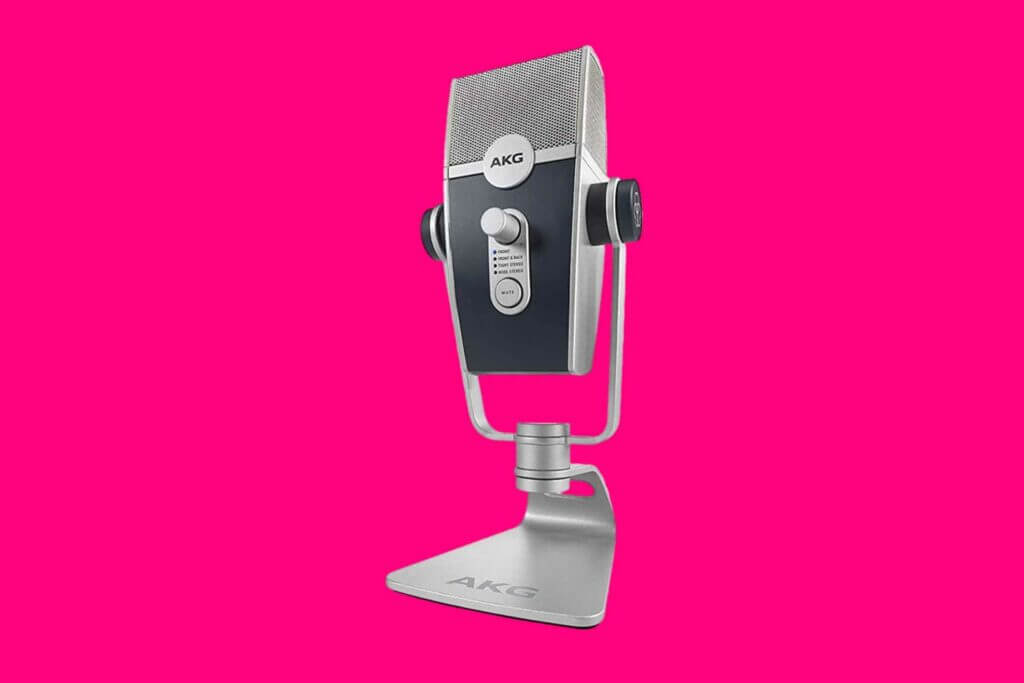
Upon immediate first impressions, AKG’s two microphones are certainly on the impressive side of things. Both already get some points for their USB capabilities and lack of any audio interface requirements. However, that only goes so far.
From a physical standpoint, I was more than a little wary about these microphones, namely, I wasn’t sure if they’d have the same overall look and build or if they’d be potentially two entirely different microphones with little connecting them to each other.
The truth is that they are a bit of both.
Ara is the younger of the two, released around the end of 2024, and is certainly smaller than her older sister.
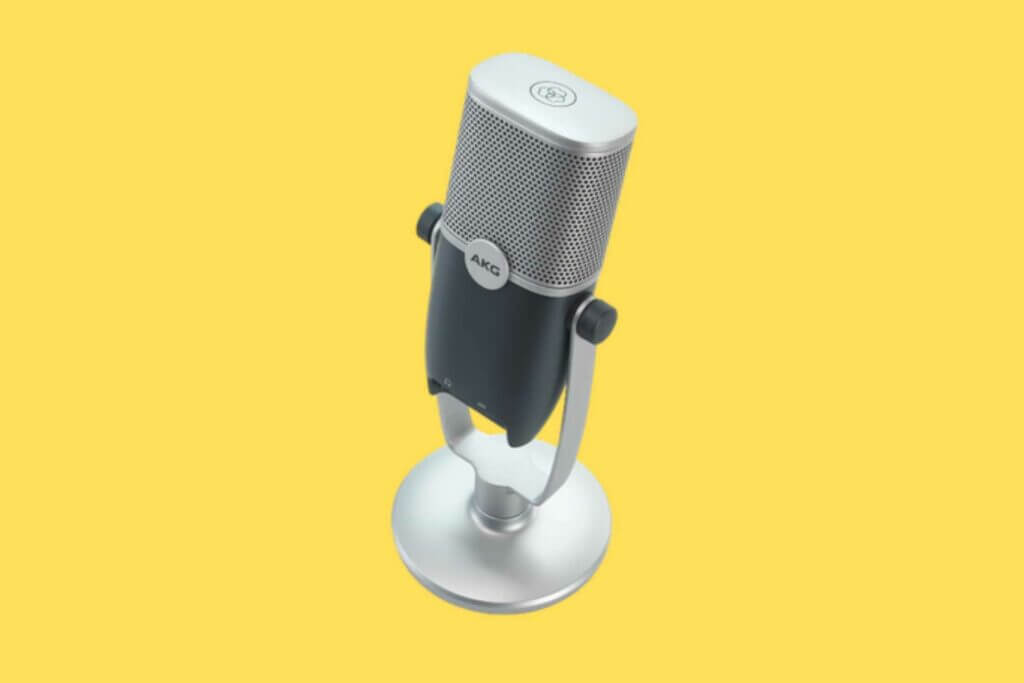
The microphone makes a point of having a smart design that acts to clamp into its heavier U-clamp base.
The Ara mic is a mix of rubber, plastic, and metal with all three definitely feeling fairly high quality compared to other mics. The mic comes with a 24-bit/96kHz audio interface with back-electret capsules, all of which pull energy from the USB.
On the other hand, the elder of the two, the Lyra mic, is larger and wider while also feeling distinctly retro. Despite sharing many similarities with its younger sister, Lyra is a good bit bigger, using chrome accents along its grill. Here, Lyra can also be stand-mounted, giving it a bit of variety.
Both mics look, sound, and feel pretty good, with both immediately getting recognized when playing them on both a MacBook as well as an iMac.
Considering many mics can sort of meander around, before finally getting recognized, this already starts to put it in the upper brass of microphones.

- Pro-Grade, High-Quality Sound: 24-bit/96kHz High-resolution audio
- Two Audio Capture Modes: Dual-capsule mic array provides two user-friendly capture modes
Pros:
- Easy to setup
- Well suited to spoken word/podcast use
- Easily use with regular mic stands
Cons:
- Plosives with up-close use
Deeper Look: Software & Features
Taking a deeper look into both microphones, it’s clear that both share many of the same aspects and characteristics with one another. Both share similar acoustic characteristics while also having many of the same mic capsules.
In terms of sound levels, the Ara was noted to have a max sound level of roughly 120dB. The Lyra, on the other hand, was noted for having an SPL of 129dB.
With both of these levels being comparable, not only are they ideal mics to pick up sound and voices, but they are also great for recording higher-sounding instruments without distorting or otherwise lowering sound quality.
Voice
From a voice-based standpoint, while I found that both worked fairly well, it was noted that Lyra, the larger and older of the two, seemed to have a special affinity for cutting through any background noise and picking up everything spoken.
When using it during Zoom calls and meetings, Lyra was able to relay and note everything fairly clearly, whereas Ara was noted to require one or two restatements.
Sound
On the other hand, where Ara did excel quite well in the sound-audio aspects. Here, it seemed to record the sound incredibly well, retaining much of its fullness without a ton of distortion.
In fact, the mic was a bit too receptive to all of the sounds, often picking up and recording even minor noises, like the typing on a keyboard or the slight rumbling of a phone.
These things can easily be fixed by tweaking your EQ, however, it was certainly worth noting just how sensitive it was.
Background Noise & Distortion
As noted earlier, both Ara, as well as Lyra, have max sound levels between 120 and 129dB respectively. This allows them both to play the majority of instruments without suffering from sound distortion.
For example, when using either to record various instruments, we got only a minimal amount of background noise or “hissing”.
While you’ll get the best results if playing them in a quiet environment (such as a studio or an enclosed space), so long as there isn’t a particularly large amount of excess noise around you, you’ll be able to get a fairly effective performance.
Verdict
Both the Ara as well as the Lyra are fine microphones that, while not particularly exceptional, do more than enough in either area to make them viable purchases, either on their own or bundled together.
With the Ara mic being ideal for someone looking for something a bit on the smaller side while having mono and stereo sounds, and the Lyra mic offering a larger frame and several options for flexibility, they are ideally meant to be used together.
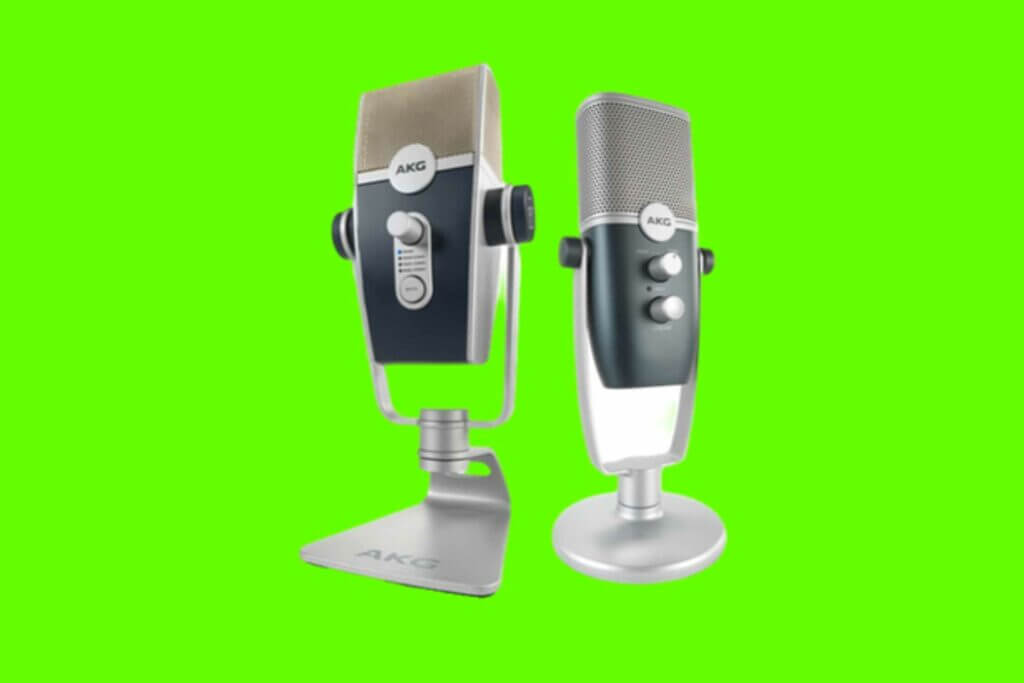
Whether you want to use them together or only get one, it’s important to note which is best for what. Here, Ara is ideal for picking up sounds as a one-person desktop mic.
On the other hand, Lyra is perfect for picking up conversations and is an all-around universal mic for pretty much everything you’d need.
Ultimately, both mics seem to be more the same but they are especially different. In terms of pricing, as well as size, build, and overall quality, the differences really are in the details.
If you can only get one, consider whether you want a smaller or larger mic as well as something that is a bit of an all-rounder or something that is great to run by yourself.
- Pro-Grade, High-Quality Sound: 24-bit/96kHz High-resolution audio
- Two Audio Capture Modes: Dual-capsule mic array provides two user-friendly capture modes
Pros:
- Very decent sound quality
- Plug-and-play with USB-C connection
- Great design
- Small stand included
Cons:
- Picks up background noise
- Odd positioning of Mic & volume dials
AKG Ara Vs Lyra: Summary
As touched on earlier, a solid microphone is one of the untold secret stars of a good DJ. Whether you’re looking to livestream, set up a podcast, perform on a radio show, or just care about retaining and establishing high-quality sound, it’s important that you spend some time looking for a solid mic. While these two are only two options out there, they are great options to choose from with a fair bit going for them.
Look into either option and pick the one that ‘feels right’ for you.