
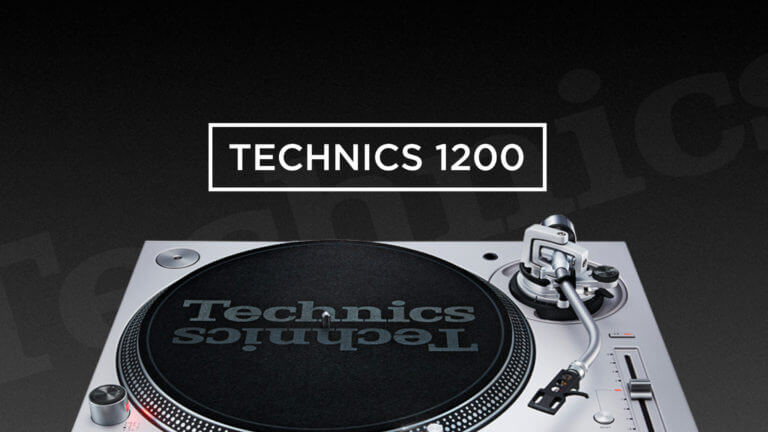

Whether you’re someone that currently DJs professionally, someone that has just gotten started making different beats, or simply a person that enjoys hearing a remix or two, there’s a certain amount of gratitude and appreciation that is owed out to the Technics 1200 DJ Turntable.
This awesome turntable is the Ford of the DJing industry and is the thing that popularized the modern DJing world today.
Here, we’re going to go over the different versions of the Technics 1200 and how it progressed through the years. We’ll get into what made these turntables so unique and special while also understanding why they are still held in such high esteem today, nearly 50 years later.
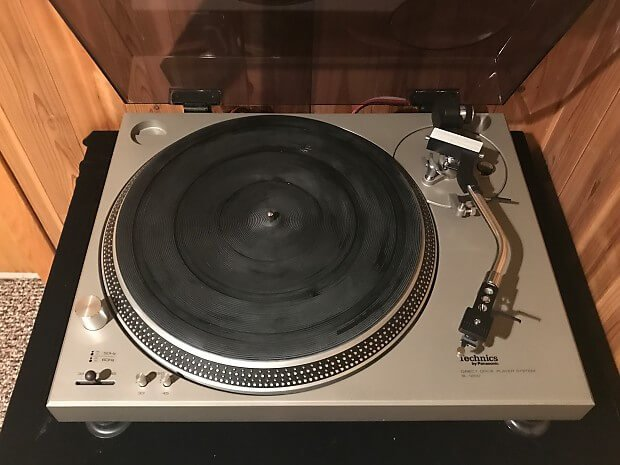
Technics SL-1200MK1
Released: October 1972
Seen as one of the progenitors to the turntables and DJing in general, the SL-1200 series was first released back in 1972. Initially very popular with radio DJs, the SL1200 had a direct drive turntable motor while also having a removed belt drive system. This gave a DJ a great amount of versatility at the time and allowed them to get started almost immediately.
Because the DDM was also quite accurate while also keeping the back speed consistent, DJs could play while reducing any wow or flutter during the playback. The turntable unit was also designed to properly adjust the playback speed to account for poor calibration and speed adjustment to match songs and song beats with one another.
All-in-all, while many of these features are commonplace or further built upon by today’s turntables and controllers, the SL1200 was well ahead of its time and completely changed the way DJing was and is done.
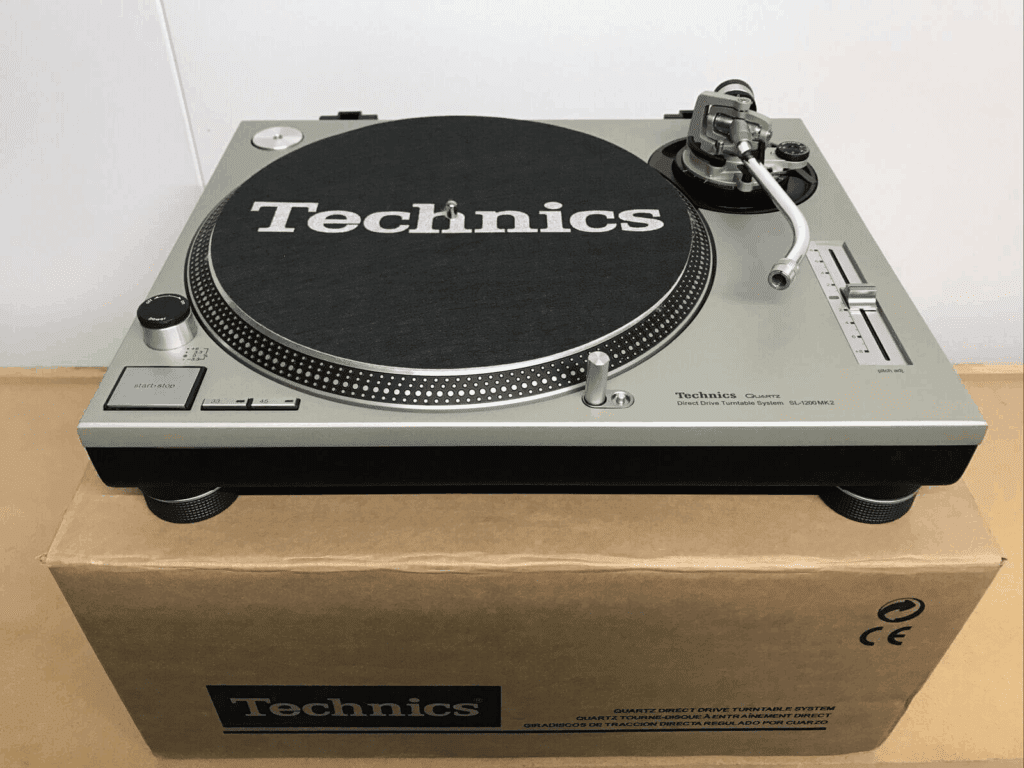
Technics SL-1200MK2
Released: September 1978
By far the most widely popular of the SL1200 models, the MK2 was released during the summer of 78, only stopping production into the 2010s.
Rather than simply acting as a slight revision or alteration of the original, the MK2 was made from nearly complete scratch. As such, while all newer models were made as improvements to the MK2, the MK2 is virtually an altogether different item when compared to the original SL1200.
As a new follow-up to the original, the MK2 was made with excellent sound isolation as well as an accurate motor and incredible sound quality. It could absorb the sounds and vibrations caused by other sounds in the area (such as the bars and clubs), making it an industry-standard even to this day, decades later.
The DDM was also given an upgrade to feature a quartz lock to improve the accuracy of its playback speed. Similarly, the original’s speed adjuster was completely replaced, for a pitch fader, setting the stage for countless turntables for years to come.
The Technics 1200 vs. 1210 Comparison
There is a bit of confusion on the Technics SL-1200MK2 and the SL-1210MK2. Some are confused as to which came first over the other as well as how they compare to one another.
The reality is that they are virtually the exact same turntable consoles, with only the most minute of differences. As a way to sell their product in Europe, Technics (owned by tech giant Panasonic) were required to sell it under a different name from the set SL1200MK2. Instead, they simply decided to name it the SL1210MK2. They also altered its color from the US and Japanese silver finish to a darker grey color.
In addition to the name and color, the SL1210 had slightly different wiring and featured a switchable voltage to accommodate different voltage settings. Under the platter, the SL1210 allowed users to alternate between 110-120 volts and 220-240 volts.
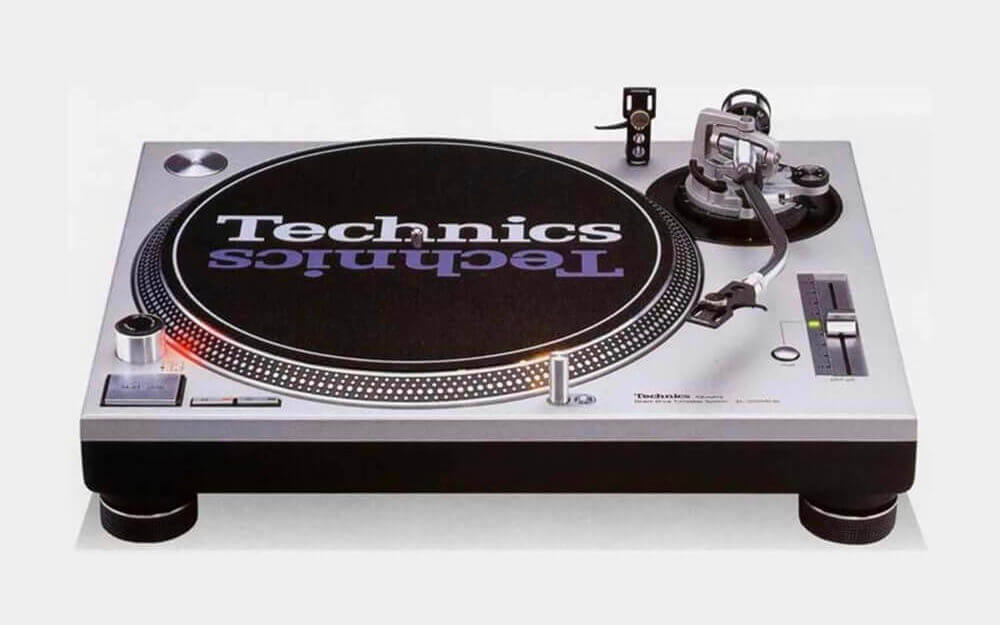
Technics SL-1200MK3D
Released: August 1979
Meant solely for the Japanese market, the MK3/D was a much darker color while also featuring gold RCA cables as well as a foil sticker on its back.
Unlike later iterations, the MK3/D did very little to distinguish itself from the previous models. It did add a quartz lock button, which was carried on to the LTD later on.
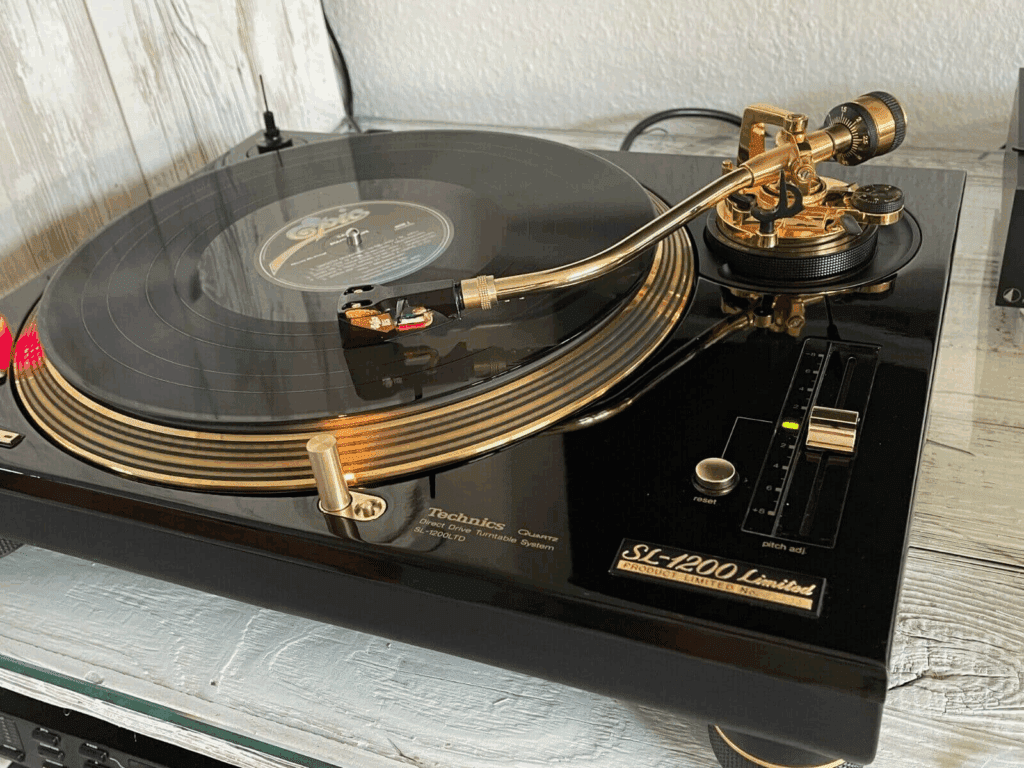
Technics SL-1200LTD
Released: August 1996
A limited-edition version of the SL1200, the LTD was a celebratory model meant to commemorate the company’s 25 years since the original SL1200. The black and gold turntable was made with only 5,000 units in mind. Like the MK3D, the LTD has a quartz lock button as well as keeping the zero indent for the pitch fader.
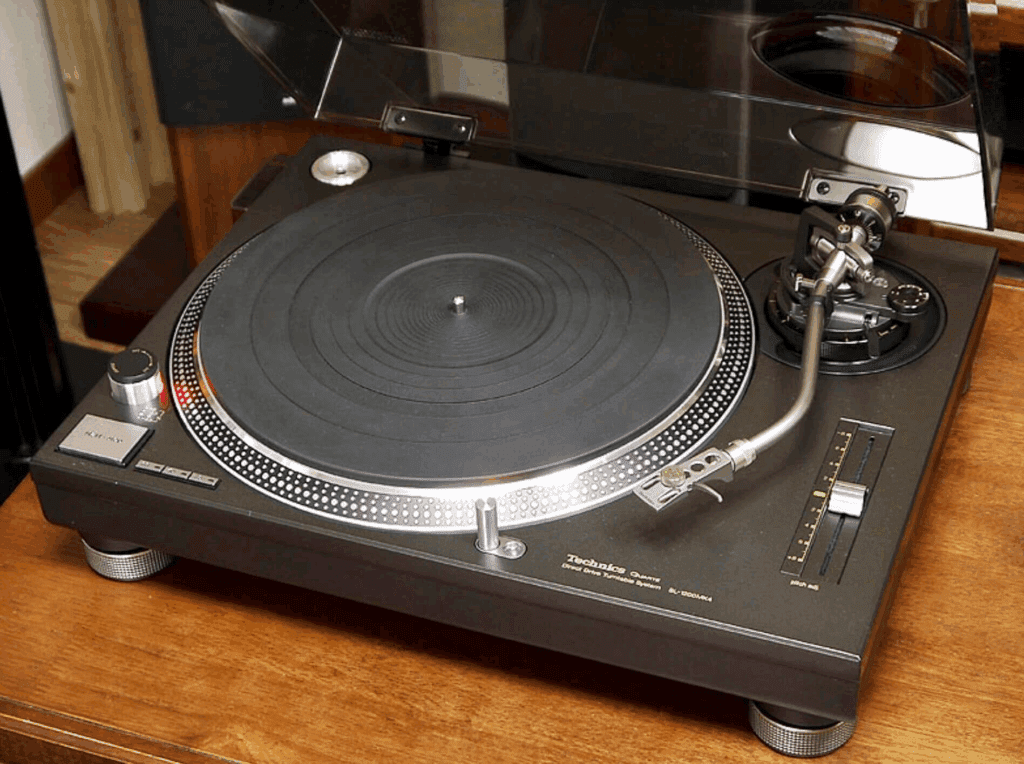
Technics SL-1200MK4
Released: August 1996
Meant as the first attempt at pleasing the audiophile market over the prospective DJ, the MK4 saw several improvements to its earlier design. Areas like its tonearm or deck were better designed, resulting in a higher level of audio clarity. For example, the MK4 was able to produce a 78RPM playback speed once Technics switched the tonearm to titanium while implementing oxygen-free copper wiring.
Despite actually doing a lot of quality goods, because of its increased costs, only being initially available in Japan, and the shipping costs that other markets would have to deal with, the MK4 is incredibly rare to find in the world even to this day.
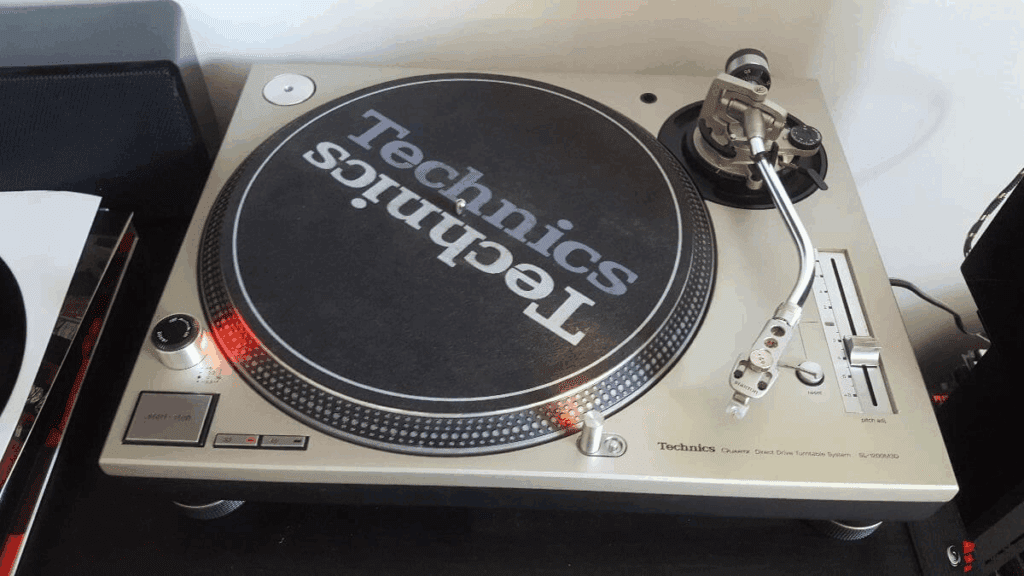
Technics SL-1200M3D
Released: September 1997
In the late 90s, Technics’ M3D model came to the forefront. And with it, came a few big revisions. For one, the pitch fader was completely replaced with a reset button. This resulted in a much tighter amount of control of the BPM when a DJ wanted to beat match or remove dead spots while mixing.
The second major revision was the removal of the rear dust cover hinges as well as a subtle alteration of the turntable’s strobe lights from red to orange. The M3D also was tweaked to keep its power switch more securely recessed to prevent accidental shutoffs or knocks.
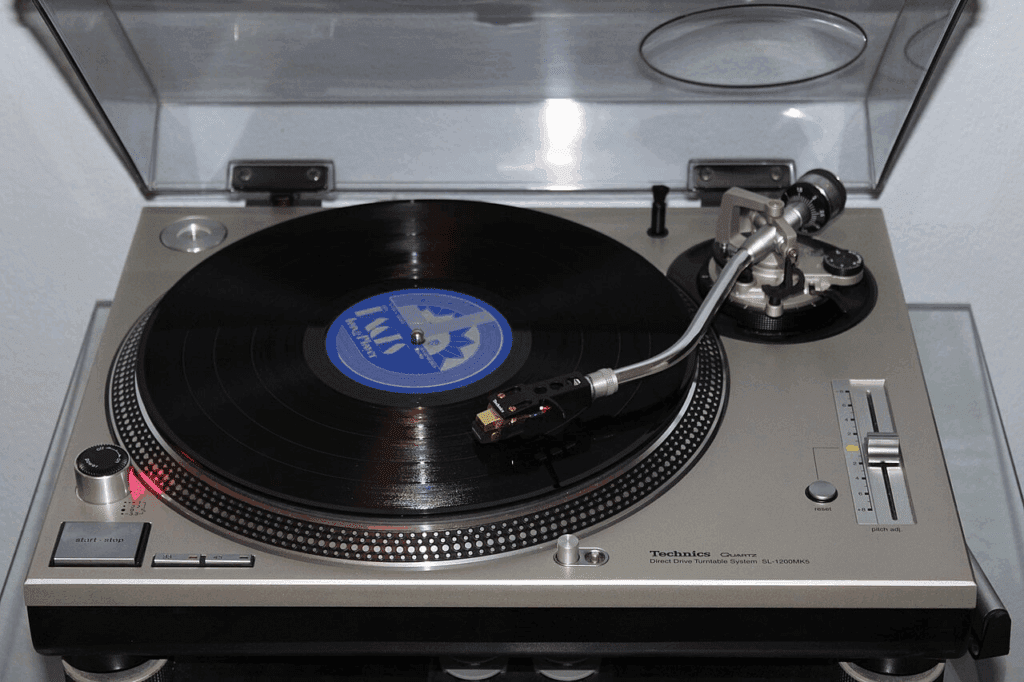
Technics SL-1200MK5
Released: November 2000
First brought to the world at the tail-end of 2000, the SL-1200mk5 was a revised edition for the SL1200 and worked to update some of the different aspects of the earlier models, such as the anti-skate functionality. This resulted in the range is increased from 0-3 grams to 0-6 grams.
Similarly, there was work done to redesign the earlier dust covers, using magnets instead of hinges. The target lights were also updated, allowing for a white LED bulb rather than the original older incandescent options that were used.
This ultimately led to the MK5 being a beloved entry in the SL1200 lineup, even to this day.
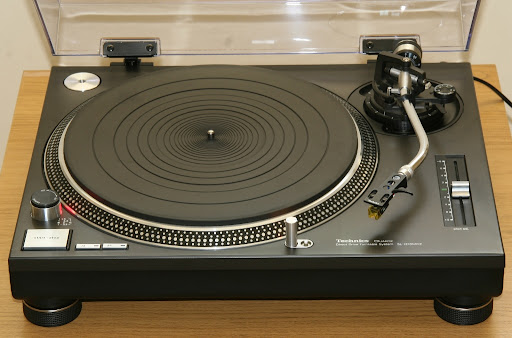
Technics SL-1200 M5G
Released: November 2000
Introduced alongside the1 MK5, the SL-1200MK5G was meant to celebrate Technics’ 30th anniversary with the SL1200s. The turntable was painted in a silver-speckled black glassy finish and featured a blue illumination for the pitch numbers as well as the target light. The M5G was also given a completely digital pitch control, allowing for 8% and 16% pitch ranges.
Some of the smaller improvements included adding OFC copper wiring to the tonearms as a way to increase and improve the audio properties.
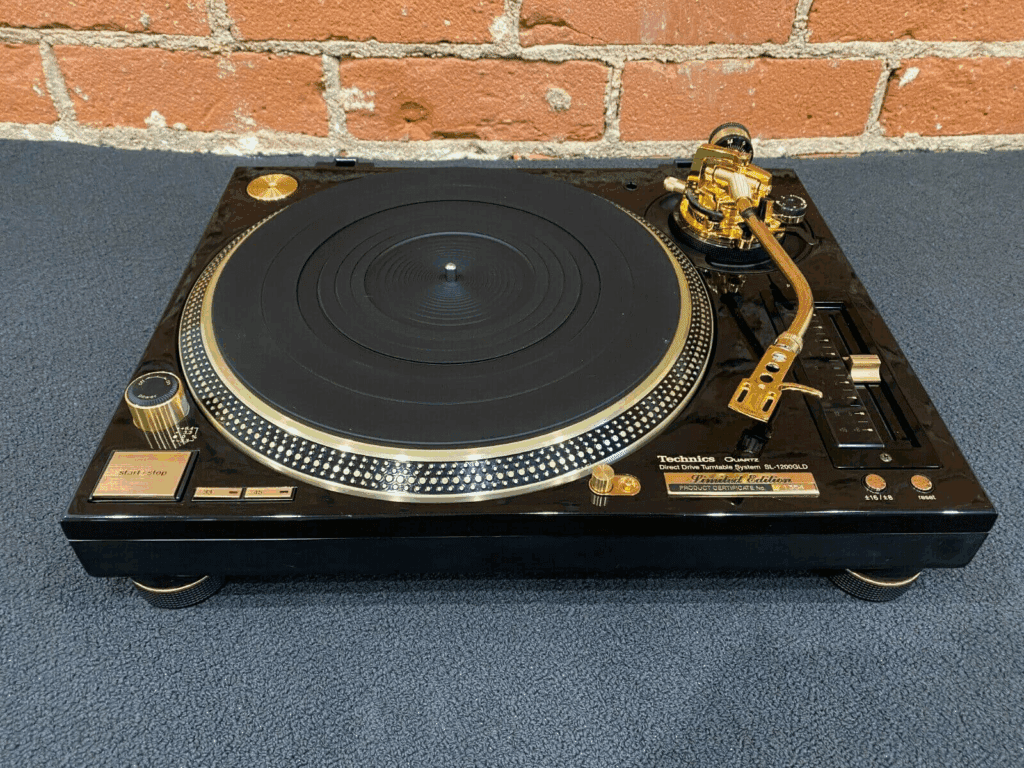
Technics SL-1200GLD
Released: November 2004
Seen as a way to celebrate the company selling over 3 million turntables throughout their 30-year life, Technics released the SL1200GLD model. Based on the previous M5G, the GLD was limited to only 3,000 units, with 500 of them reserved solely for the Japanese market. As a result, it is an extremely rare turntable to get a hold of even today.
Similar to the LTD, the GLD was also given a black finish with gold-plated features. However, to keep from swapping, the GLD was given different shades.
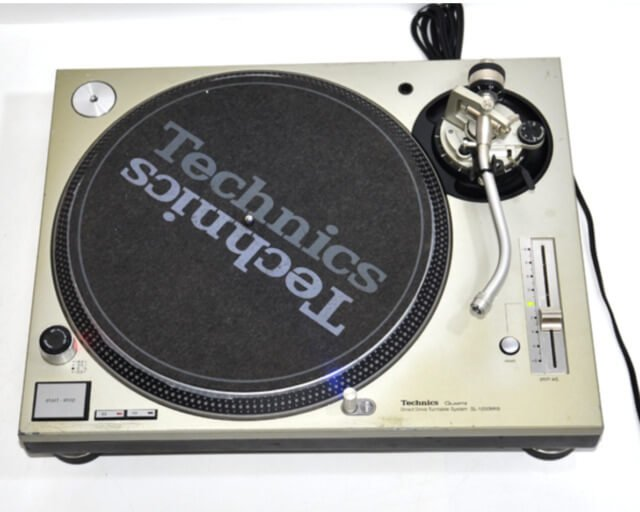
Technics SL-1200MK6
Released: February 2008
In the early part of 2008, the SL1200MK6 was released to the market. This new model had several smaller improvements and benefits as opposed to anyone excessively noteworthy thing. Things like an improved tonearm mounting or an oxygen-free copper wire helped make a lot of noteworthy improvements to the model itself. For example, the MK6’s materials helped absorb the vibrations throughout the deck’s body. Similarly, it had a more accurate pitch fader.
These numerous tweaks all worked to make the MK6 a fan favorite while it was on the market at the time.
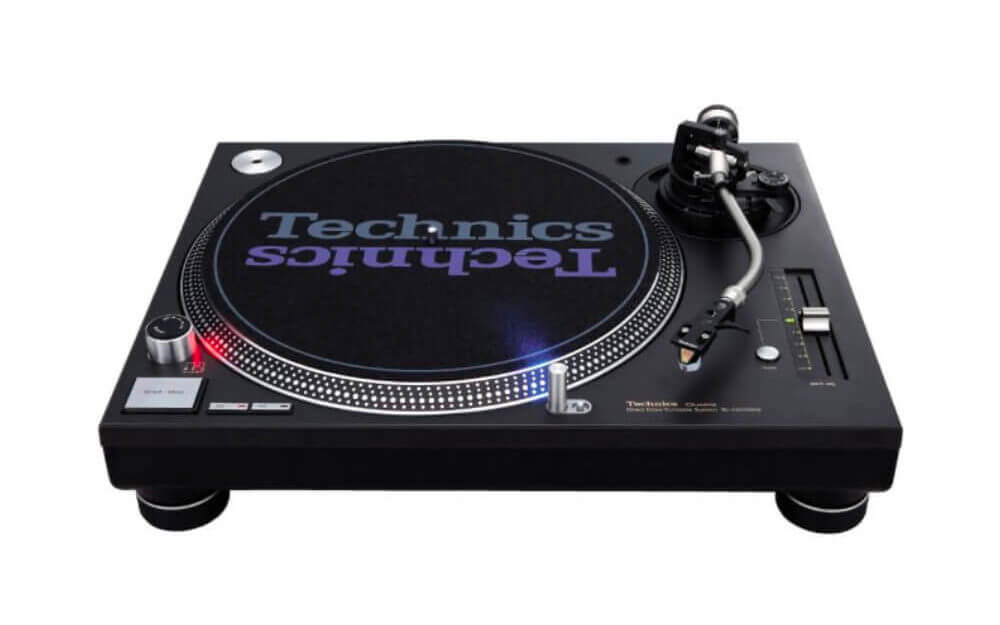
Technics SL-1200MK6K1
Released: July 2008
The MK6K1 was a limited edition matt black version of the MK6 turntable. As a limited edition option, only 1200 models were released, each coming with a gold record as well as a booklet bundled.
This would be the last model sold, as in 2010, the Technics SL1200 brand was entirely discontinued until years later.
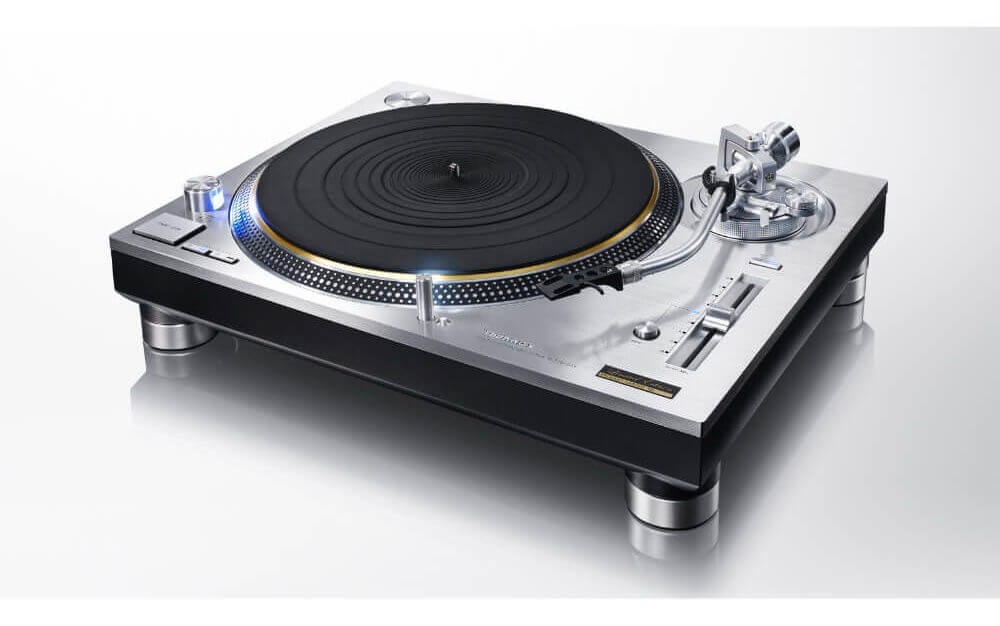
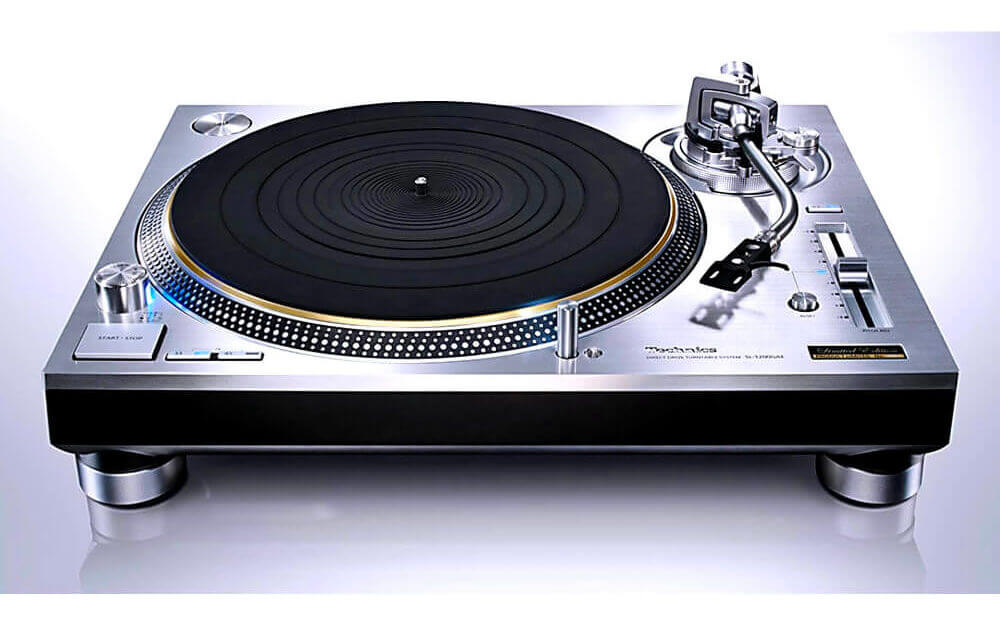
Technics SL-1200GAE/SL-1200G
Released: May 2016
After being discontinued entirely while in the 2010s, the Technics made a comeback in May of 2016 due to the renewed interest in vinyl records. However, for the fans of the Technics SL1200, the SL1200GAE was a far cry from its predecessors.
Geared more towards the audiophiles, the 1200GAE came out as the Rolls Royce of the DJ turntables. They were limited to only 1200 models and cost around $4,000 each. Later, the less niche option came out known as the SL-1200G. This model was much more openly available and had a lower starting price point.
In terms of quality and design, both turntables had a newly designed motor as well as a magnesium tonearm, upping the overall quality of the model overall.
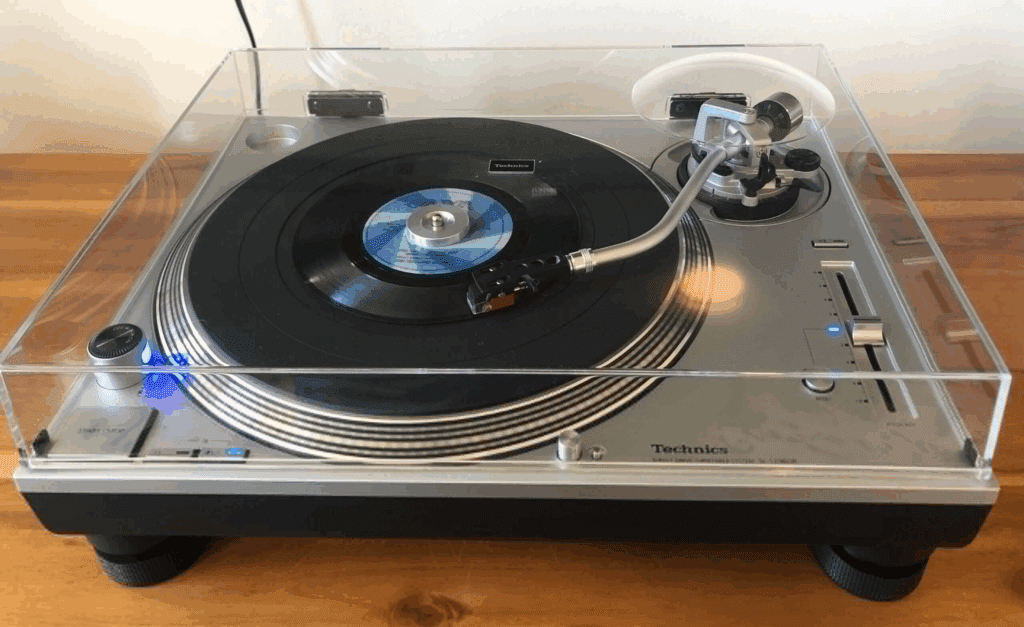
Technics SL-1200GR
Released: January 2017
Seen by many as the more accessible version of the SL1200G’s more audiophile nature, the GR was much more reasonably priced at £1299 ($1,785). There were some cut corners, however.
Weighing roughly 7kgs less than the 1200G, and having less torque overall, the GR was (and still is) viewed by many existing DJs as an all-around inferior product in the SL1200 lineup.
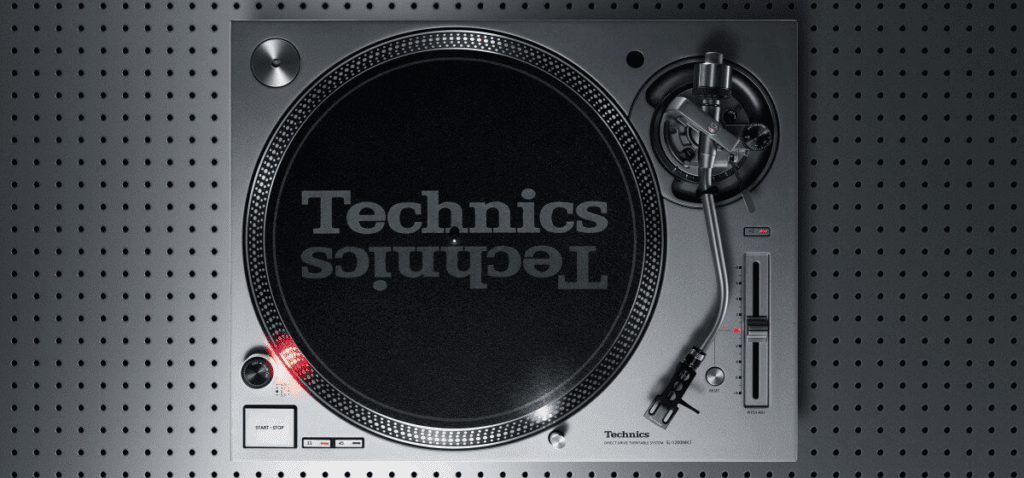
Technics SL-1200MK7
Released: January 2019
Made and released in the early part of 2019, the Technics SL-1200MK7 was an address and an answer to DJs asking for a turntable that was more closely designed around them. The MK7 is a matte black color with LED lighting. The lights can change from Red to Blue based on which side the color switch, under the platter, is turned to.
The MK7 has a few other changes as well. Both the motor starting torque and stop/brake speed has been revamped to become more easily played with. The motor employs a coreless stator. The platter itself has also been modified so that it can be played, or used in playback, while in reverse.
Unfortunately, despite these very welcome changes and additions, because of its lighter and cheaper feel compared to other models, it was generally received very poorly in comparison. This may also be because the MK7 was manufactured in Malaysia as opposed to Japan.
Buyer’s Guide: What to Look Out For
Now that we’ve gone over the different variations of the Technics SL1200, you may be interested in getting a set for home use, radio station use, or even venue use! If that’s the case, there are some key things to be on the lookout for before making your decision, regardless of the year of the model.
Arm Bearings
You want to check the tonearm so that it moves freely and exhibits no excessive signs of wear-and-tear. You’ll want to check the arm’s bearings, lift mechanism, and counterweights to ensure that it’s properly moving and is solid and ready for use.
RCA Plugs
Unless the turntable you’re looking at is an untouched, pristine device, a worn set of RCA phono cables is inevitable. You ultimately want to make sure that it has a strong connection and a fairly solid signal so that there are no issues when being connected to a mixer. This is especially true if you’re looking to use it for DVS.
Screws
An easy sign of poor repairs and maintenance is a lack of screws. Check the underside of the turntable before making any purchasing decisions.
Play in Motor/Platter
You want to check out how the platter feels and moves when cool. While the power is off, spin it around and feel for any wobbles, shakiness, or resistance. If you feel any, that’s a tell that there’s been some actual damage that needs to be addressed before actively using it.
Pitch Control
You’re going to want to make sure that the motor and the pitch fader are properly and accurately calibrated to control the playback speed. To do this, check the dots on the platter’s edge. If the big dot isn’t solid when playing at zero, you know there may be a pitch issue that needs to be fixed.
Needle and Cartridges
Finally, please ensure that you invest in good-quality needles and cartridges. Using poor quality or very old ones will lead to bad sound quality and audio issues. It’s like driving a sports car with bald tyres! Be smart here. And get some decent slipmats as well!
Conclusion
Now that you understand the Technics SL1200’s long history and its various iterations, What do you think? Does it live up to its hype and esteem, or is it looked upon too fondly for its past achievements? No matter how you stand on the issue, without the Technic popularity, DJing would not be where it is today. If you’re a DJ (or are getting interested in the industry), the Technics SL1200 is probably why.